A comprehensive analysis of production ecosystems, core OEM modules, manufacturing standards, and technological trends for enterprise procurement departments.
In the rapidly evolving global beverage equipment market, identifying a reliable wholesale coffee makers supplier is no longer just a transaction based on lowest-unit-cost negotiation. Instead, modern procurement directors are engaging with strategic manufacturing partners capable of delivering technological agility, absolute food safety compliance, and robust thermodynamic stability. The coffee maker market—spanning home drip brewers, automatic espresso machines, commercial-grade thermal stations, and smart IoT-enabled units—requires a sophisticated combination of mechanical engineering, electronics development, and reliable fluid dynamics.
China remains the uncontested nucleus of global coffee maker production, particularly clustered around the Guangdong Pearl River Delta (Shunde, Zhongshan) and Zhejiang (Ningbo, Cixi) manufacturing corridors. The competitive advantage of partnering with Chinese factories extends far beyond raw labor rate efficiencies. It is rooted in deep vertical integration:
The intersection of electrical engineering and sensory science has redefined what consumers expect from their brewing devices. When qualifying a *wholesale coffee makers supplier*, procurement agencies must evaluate the factory's R&D capabilities across several core technologies:
1. PID Temperature Control & Thermoblock Systems: Traditional bimetallic thermostats fail to maintain the strict ±0.5°C temperature window required for optimal extraction. Modern suppliers incorporate Proportional-Integral-Derivative (PID) controllers wired directly to localized NTC thermistors, adjusting power to the heating elements in millisecond cycles.
2. Eco-Conscious Thermoblocks: Instead of heavy brass boilers that require up to 5 minutes to heat, suppliers are shifting to die-cast aluminum blocks wrapped in stainless steel water conduits. This allows near-instantaneous heat-up times while eliminating heavy-metal leaching concerns, comfortably satisfying strict EU REACH and California Proposition 65 thresholds.
3. Smarter Integration (IoT): Advanced smart brewers utilize Bluetooth LE and Wi-Fi modules allowing users to program extraction curves, pre-infusion pressure stages, and cleaning alerts. Reliable partners offer pre-certified FCC/CE wireless modules, sparing the buyer expensive and time-consuming compliance paths.
Streamlined product sourcing, direct manufacturing connections, and end-to-end OEM engineering to accelerate your market launch.

We help international clients source high-quality products across China with efficiency and transparency. Our team identifies reliable suppliers, compares pricing, evaluates product quality, and manages the entire purchasing process from inquiry to delivery. We ensure you get the right products at the best cost with zero hassle.

We connect overseas buyers with verified and trustworthy Chinese manufacturers based on your product requirements, production scale, and quality standards. Our service includes factory vetting, capability assessment, communication support, and onsite audits. We ensure you work with factories that perfectly match your needs.

We provide end-to-end OEM manufacturing services for clients looking to build private-label or custom-designed products in China. From product development and sample production to mass manufacturing and quality inspection, we coordinate every stage to ensure consistent quality and smooth production. Your ideas, our manufacturing network.
How our coffee machine engineering aligns with distinct commercial sectors and regional market needs.
High-volume commercial environments require heavy-duty components capable of continuous duty cycles. We source double-boiler systems featuring large-capacity copper boilers (3L to 10L) combined with high-flow rotary vane pumps. These systems guarantee consistent steam pressure for milk texturing while simultaneously delivering stable brewing heads. Dual PID sensors ensure that even under rush hour loads, temperature variance remains below 0.3°C.
Modern offices prioritize convenience, reliability, and minimal maintenance overhead. Sourcing solutions for this sector focus on bean-to-cup coffee makers equipped with integrated ceramic conical grinders (which heat up less than steel burrs, preserving coffee bean flavor profiles). Self-cleaning functions, milk frother sterilization cycles, and large capacities for bean hoppers and waste containers are pre-requisites. Custom firmware options allow businesses to restrict settings or track usage metrics via local area networks.
For boutique roasters and specialty coffee brands, precision extraction is the defining differentiator. We match buyers with advanced factories capable of fabricating machines with pressure-profiling capabilities. Using electronic needle valves controlled by custom firmware, baristas can configure pre-infusion, peak pressure, and ramp-down phases. Real-time pressure transducers sample flow data 50 times per second, translating results into interactive extraction curves visible on integrated TFT screens.
Deep knowledge of China's industrial networks coupled with rigorous global trade compliance experience.





Leveraging deep supply chain relationships to source high-demand goods beyond commercial kitchen appliances.
Collaborating with tier-one shipping, inspection, and verification agencies worldwide.


Read detailed procurement reviews from global retail and distribution operations.
"A reliable sourcing partner. They helped us find the right factory quickly and saved us a lot of time and cost."

"Professional, responsive, and truly understands what international buyers need. Highly recommended!"

"Their factory matching service was excellent. We found a manufacturer that perfectly fits our production requirements."

"Smooth communication and transparent processes. They made sourcing in China much easier for us."

Keep informed of supply chain trends, logistics pricing shifts, and Chinese industrial development.
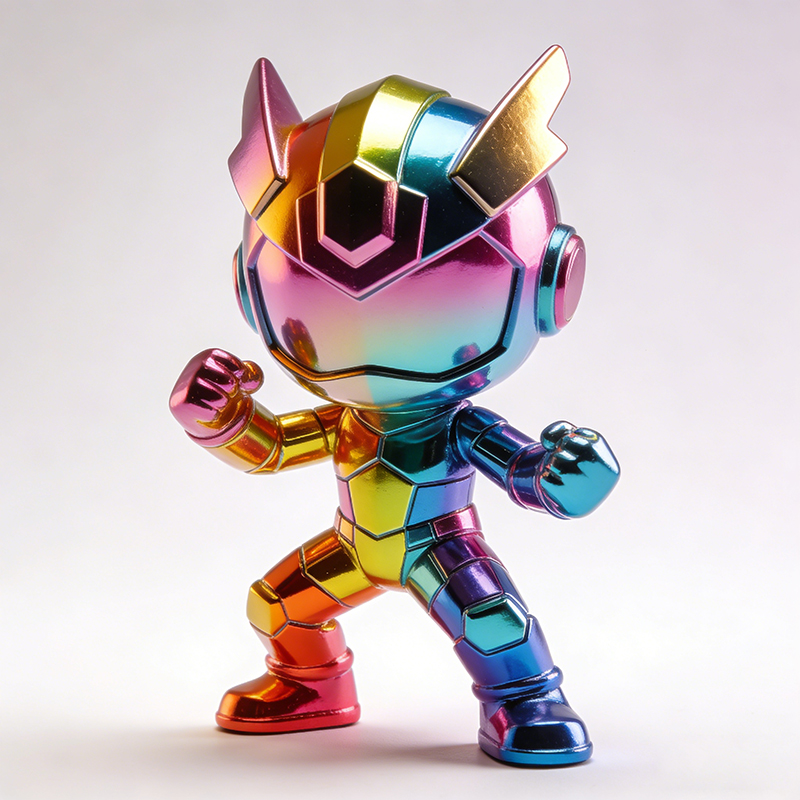
The latest industry report released by the China Toy & Juvenile Products Association shows that the Chinese children’s toy market remains stable, while the trendy and collectible toy segment surges ahead with massive domestic growth...
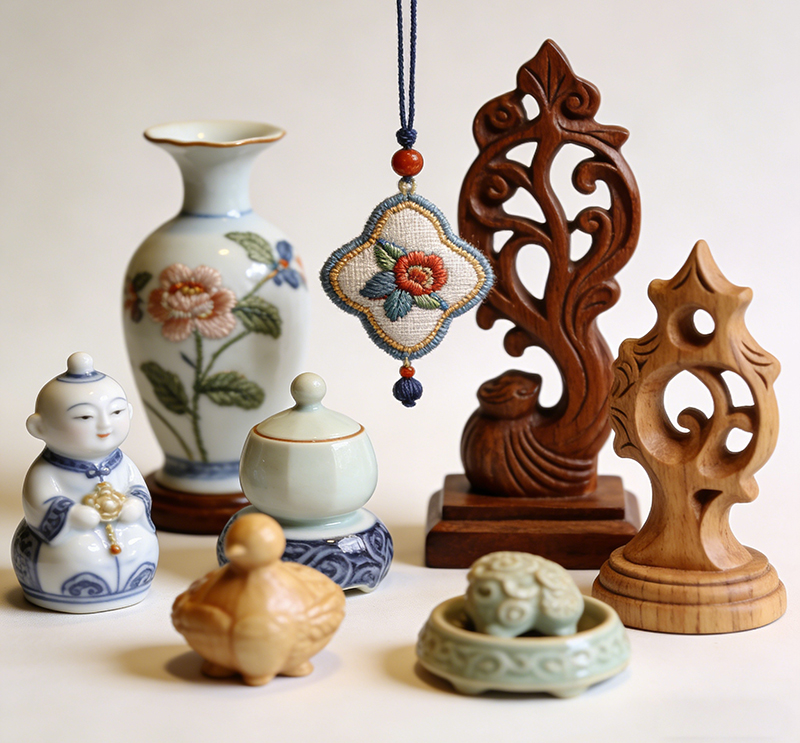
In the first two months of this year, Quanzhou, Fujian Province, saw stable growth across its nine major industries, with the arts and crafts sector standing out with a 9.7% growth rate...
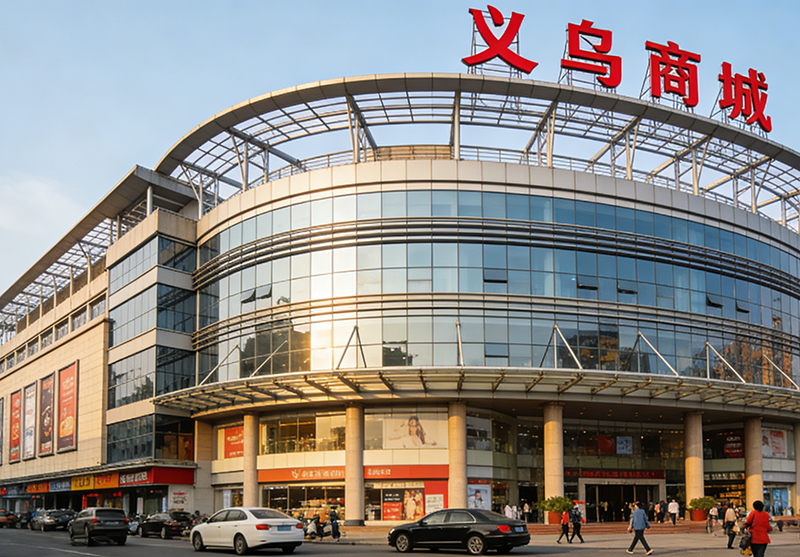
According to Yiwu Customs, the city’s total import and export value reached RMB 173.56 billion in the first two months of this year, a year-on-year increase of 52.8%...

Focusing on sustainable manufacturing processes, biodegradable packaging options, and carbon-offset logistics pathways for global wholesale buyers.
Establishing new localized hubs to facilitate customs clearance, trade financing compliance, and next-day parts replacement programs.
Providing independent laboratory testing, raw materials auditing, and container loading supervision to eradicate product recall risks.
Critical engineering and supply chain questions answered by our technical auditing team.
To import coffee brewers legally, the components coming into contact with food/water must satisfy rigorous standards. For the United States, FDA certification and NSF/ANSI 51 (food equipment materials) are essential. In Europe, compliance with the LFGB (Lebensmittel- und Futtermittelgesetzbuch) is required, particularly testing for the migration of primary aromatic amines, heavy metals, and plasticizers. Our sourcing agents verify test reports issued by accredited labs such as SGS, TÜV, or Intertek.
Our quality control protocols require every boiler unit to undergo a hydraulic pressure test at 1.5 times the maximum rated operating pressure. For espresso machines rated at 15-bar, this means testing the boiler seal integrity up to 22.5-bar. Furthermore, we audit the welding trace parameters of copper boilers and verify that automatic thermal cutoff fuses are sourced from reliable manufacturers to prevent dry-heating conditions.
MOQs vary based on customization levels. For standard white-labeling (silk-screen brand logo on a preset chassis), MOQs typically start at 500 to 1,000 units. For complete OEM tooling designs (custom plastic housing molds, personalized UI, proprietary boiler shape), MOQs usually range from 3,000 to 5,000 units to offset tooling costs. We help buyers negotiate tiered MOQs with factories to smooth their inventory risk.
The most common transit damage involves fracture points in internal water tubing, cracking of plastic water reservoirs, and shifting of internal heating elements. We verify that factories execute ASTM D4169-standard drop tests (covering corner, edge, and flat drops) on packaged units before logistics clearance. We also recommend securing internal plumbing with reinforced steel-braided silicone tubing rather than raw plastic connectors.
Contact our project team to discuss your coffee machine OEM specifications, compliance requests, or factory inspection needs. Receive a comprehensive supply chain roadmap within two business days.