Discover top-tier manufacturing solutions across global export channels, curated for comprehensive trade alignment.
Custom factory design, prototyping, and end-to-end fabric sourcing for international fashion labels.

Certified consumer electronics suppliers offering competitive manufacturing solutions and quality assurance.
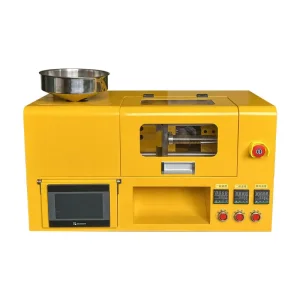
Highly efficient plastic mold systems, industrial machinery, and global factory integration services.
Eco-friendly childrenswear manufacture with strict quality benchmarks for international brands.
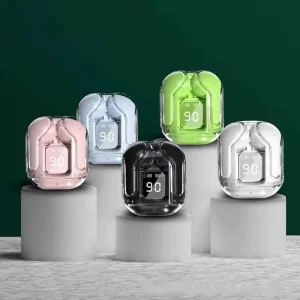
High-fidelity smart audio devices and manufacturing networks compliant with FCC and CE regulations.
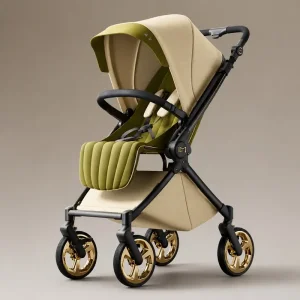
Verified production facilities prioritizing baby safety, durability, and ergonomic design.
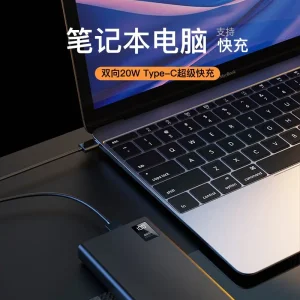
Reliable external batteries featuring fast-charge protocols and international safety certifications.
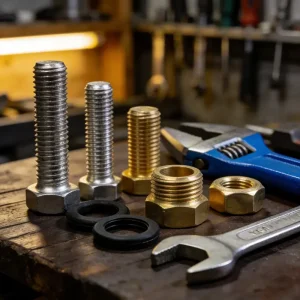
High-quality OEM hand tools and machinery attachments engineered for heavy-duty applications.
The global bath towel industry constitutes a foundational segment of the broader home textile market, presently valued in excess of USD 20 billion. This sector is characterized by a sophisticated interplay of raw material sourcing, advanced spinning technologies, and localized weaving methodologies. Primary production nodes are strategically positioned close to major cotton cultivation belts, with China, Turkey, India, and Pakistan serving as the primary exporters.
Unlike consumer apparel, which focuses on fast-fashion design cycles, commercial bath towel manufacturing demands high durability, water absorbency, tensile strength, and color fastness. These parameters are closely monitored by global hotel chains, institutional buyers, and luxury retail developers. In the premium segment, the market is defined by fiber length—specifically long-staple cotton like Aegean, Egyptian, and Xinjiang cotton. Longer fibers yield finer yarns that can be spun into loops with fewer exposed ends, providing a softer hand feel and preventing premature shedding under rigorous industrial laundering.
"The shift toward higher GSM (Grams per Square Meter) configurations and specialized weaves like Zero-Twist and Low-Twist yarns represents a growing movement toward luxury sensory experiences across institutional markets."
China's supremacy in the wholesale bath towel sector is not merely built on raw labor capacity, but rather on unmatched vertical integration and advanced textile engineering. Leading factories in regions like Shandong, Zhejiang, and Jiangsu operate fully integrated production systems that manage the entire process under one roof—from cotton spinning and carding to weaving on high-speed air-jet looms, finishing, and dyeing.
The integration of Japanese Toyoda and European Tsudakoma air-jet looms allows Chinese factories to operate at maximum efficiency while maintaining precise loop height consistency. Furthermore, digital automated inspection systems use computer vision to scan fabrics in real-time, instantly identifying and marking loose threads or tension irregularities. This high-efficiency manufacturing translates to lower unit costs, predictable lead times, and stable production output for bulk orders exceeding 50,000 units.
Commercial towels are not uniform; they are meticulously engineered for their specific end-use environments:
Hospitality & Resorts (Premium & Luxury): 5-star establishments typically specify bath towels ranging from 600 to 800 GSM. These configurations favor double-loop long-staple combed cotton, ensuring a plush touch. They are vat-dyed to withstand high-temperature chlorine bleaching and prevent discoloration.
Healthcare & Medical Facilities (Institutional Grade): Medical-grade towels require structural resilience. Manufacturers focus on blended ring-spun yarns (often 80% cotton and 20% polyester for the base warp ground) to maximize durability. These products must withstand wash temperatures of 85°C to meet sanitation guidelines.
Fitness and Spa Environments: Microfiber towels and waffle-weave cotton constructions are preferred here. Spas demand fast-drying towels with antimicrobial finishes, such as silver-ion treatments, to prevent damp odors and bacterial growth.
The global bath towel supply chain is currently shifting toward green manufacturing practices. Retailers and B2B buyers now demand OEKO-TEX Standard 100 certifications, Global Organic Textile Standard (GOTS) compliance, and Global Recycled Standard (GRS) verifications. Forward-thinking manufacturers are replacing synthetic softening processes with eco-friendly alternatives, utilizing plant-derived enzymes to create plush, absorbent finishes.
Material innovations, such as blending organic cotton with bamboo viscose, modal, or hemp, are growing in popularity. These materials enhance absorption speeds and provide natural antibacterial properties. Furthermore, institutional laundries are adopting smart textiles with woven RFID chips. This technology allows hospitality and laundry operators to track wash cycles, control inventory, and extend the lifespan of their linens.
We bridge the gap between global buyers and elite manufacturers, streamlining the entire procurement cycle from initial match to final shipment.
We help international clients source high-quality products across China with efficiency and transparency. Our team identifies reliable suppliers, compares pricing, evaluates product quality, and manages the entire purchasing process from inquiry to delivery.
We connect overseas buyers with verified and trustworthy Chinese manufacturers based on your product requirements, production scale, and quality standards. Our service includes factory vetting, capability assessment, communication support, and onsite audits.
We provide end-to-end OEM manufacturing services for clients looking to build private-label or custom-designed products in China. From product development and sample production to mass manufacturing and quality inspection, we coordinate every stage.
Our on-the-ground agents inspect factories, negotiate contracts, and secure the best manufacturing deals for your brand.
Explore our custom OEM portfolios tailored for corporate gifts, boutique retail lines, and packaging solutions.
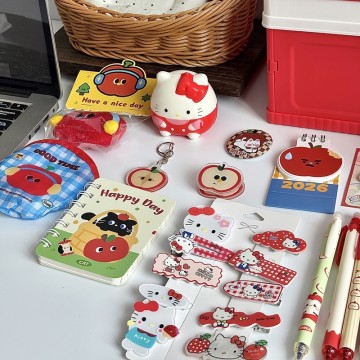
Premium themed notebooks, writing instruments, and functional planners crafted for retail distribution.
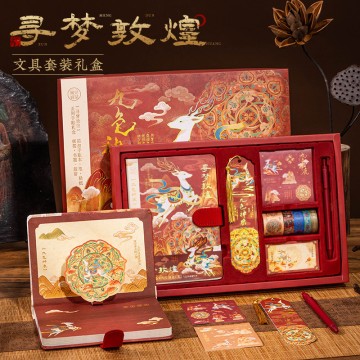
Bespoke corporate packaging solutions featuring high-end printing, structural board layout, and customized layouts.
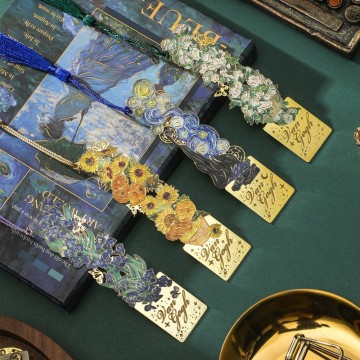
Artistic brass-etched and paperboard bookmarks featuring classical oil paintings for museum shops.
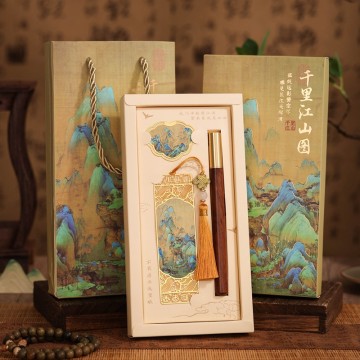
Curated corporate writing accessories packaged in luxury embossed presentation boxes.
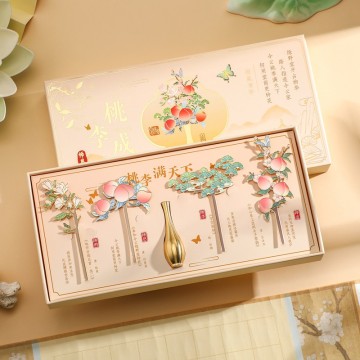
Elegant hollow metal bookmarks displaying intricate traditional vase aesthetics.
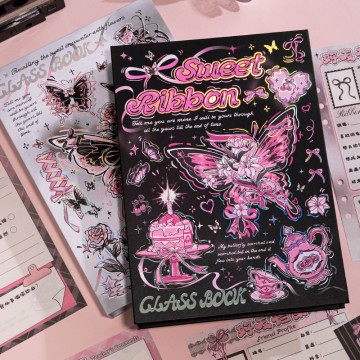
Custom CRM and database solutions designed to manage client pipelines and user interactions.
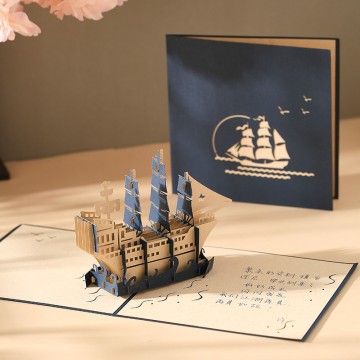
Durable cardstocks featuring laser-cut detail, foil stamping, and personalized corporate branding.
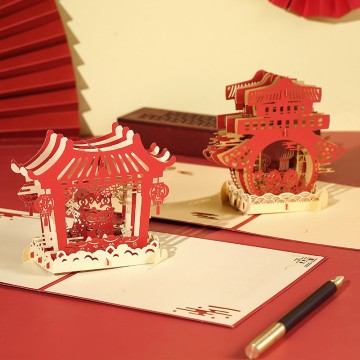
Bulk cards designed for corporate seasonal events and promotions, printed on sustainable cardstock.

"A reliable sourcing partner. They helped us find the right factory quickly and saved us a lot of time and cost."

"Professional, responsive, and truly understands what international buyers need. Highly recommended!"

"Their factory matching service was excellent. We found a manufacturer that perfectly fits our production requirements."

"Smooth communication and transparent processes. They made sourcing in China much easier for us."

Vetting a global bath towel manufacturer requires checking more than just their initial pricing sheet. Sourcing teams must audit factories based on technical capacity, quality assurance steps, and chemical safety standards.
First, inspect the weaving facility. Standard shuttle looms have speed limitations and cause higher defect rates compared to modern high-speed air-jet looms. Partnering with a manufacturer that uses air-jet looms ensures consistent loop heights, clean selvedges, and reduced piling. Second, request reports on colorfastness to washing, light, and rubbing. Commercial applications require a minimum colorfastness rating of 4 on the grayscale after 50 industrial wash cycles.
Finally, verify their environmental waste management. Dye houses must feature a functional water treatment plant. Because wastewater from dye baths is highly alkaline and rich in organic matter, factories must use biological and chemical treatment systems to comply with national emissions regulations.
Stay updated on trade trends, industrial growth updates, and export statistics straight from our global offices.
Direct factory-to-business sourcing routes for automotive, machinery, tools, and consumer product lines.
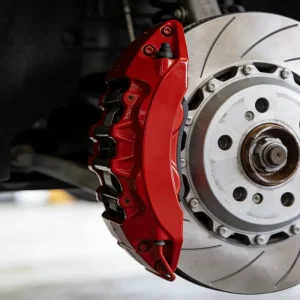
Precision component fabrication, mechanical assemblies, and casting operations from ISO/TS 16949 factories.
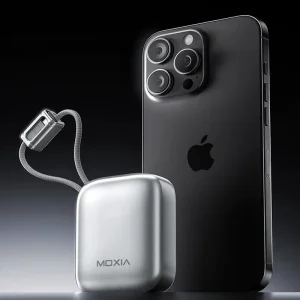
Large-capacity power banks and backup battery systems for outdoor adventure and emergency preparedness.
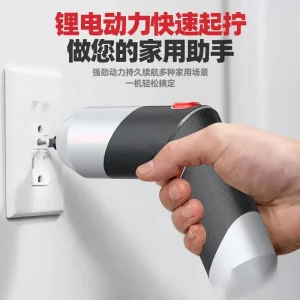
Brushless motor tools featuring precise torque adjustment for electronics manufacturing plants.
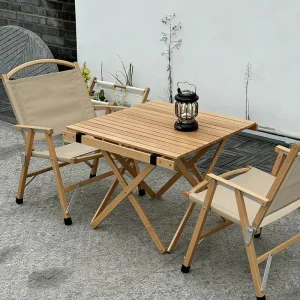
Weatherproof materials, powder-coated aluminum frames, and space-saving folding designs for patio lines.
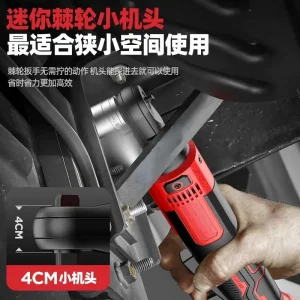
Industrial-grade cordless impact wrenches designed for automotive assembly and structural steel construction.
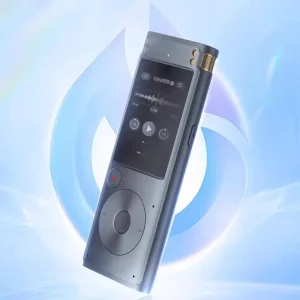
Smart audio recorders featuring noise-reduction technology, USB interfaces, and long-life batteries.
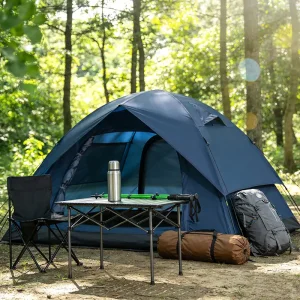
Quality equipment for camping, climbing, and athletics, manufactured in certified sports equipment facilities.
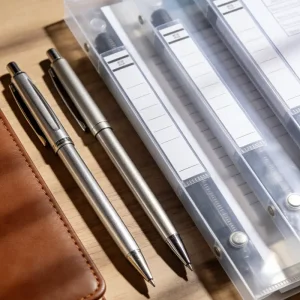
Bulk filing accessories, writing instruments, and desk organizers for corporate procurement channels.
Whether you need customized hotel bath towels, luxury retail collections, or custom product packaging, our team oversees the manufacturing process from matching to final quality verification.