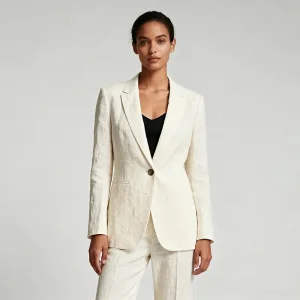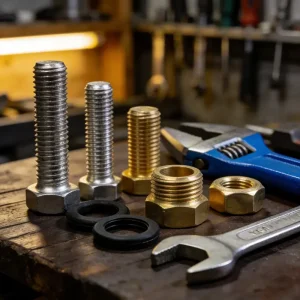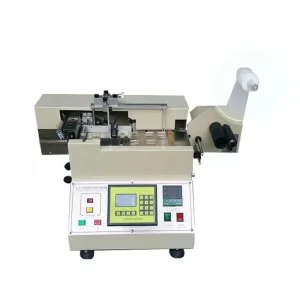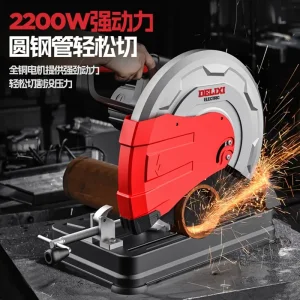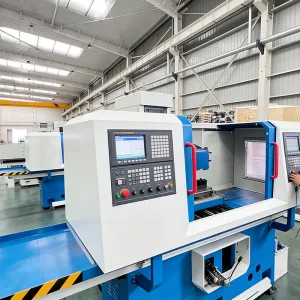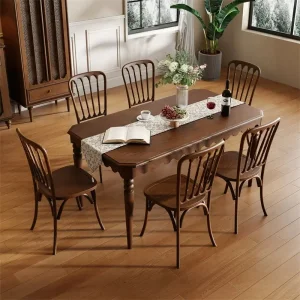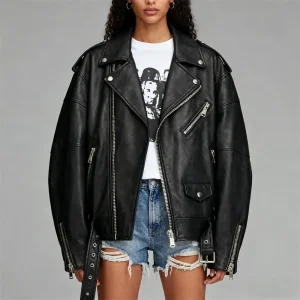
Explore our trending supply chain lines offering direct factory-matching solutions and optimized manufacturing workflows.
An in-depth analysis of supply chain efficiency, advanced metallurgy, composite engineering, and international trading frameworks.
The global golf equipment industry represents a multi-billion dollar market driven by technological innovation, material sciences, and tight manufacturing tolerances. Today, over 85% of the world’s golf club heads, shafts, grips, and bags are manufactured within localized industrial clusters in China, primarily in the Guangdong (Dongguan, Shenzhen) and Fujian (Xiamen) provinces. For global golf brands, original equipment manufacturers (OEMs), and direct-to-consumer (DTC) startups, establishing a reliable, high-capability manufacturing partnership in China is a critical driver for competitive pricing, research development (R&D) scaling, and time-to-market speed.
China's dominance in the production of high-end golf clubs, balls, and accessories is not merely a matter of labor efficiency. It is the result of deep industrial integration. The production of a modern golf driver, for instance, requires specialized metallurgical processes, carbon-fiber composite layouts, precise robotic welding, and automated surface treatment. Chinese factories offer a comprehensive ecosystem where raw material suppliers (titanium, carbon steel, epoxy resins), precision casting foundries, carbon fiber prepreg manufacturers, and painting houses are located within a 50-kilometer radius. This close physical proximity minimizes logistical bottlenecks, accelerates sample iteration loops, and reduces the cost of sub-assembly transfers.
Furthermore, Chinese manufacturers have made significant investments in advanced equipment, including multi-axis CNC machines, aerospace-grade autoclaves for carbon-fiber curing, vacuum investment casting systems, and automated electrostatic painting lines. This technological density allows factories to achieve ultra-tight weight tolerances (typically within +/- 1.5 grams for club heads) and precise loft/lie configurations. This level of quality control matches the strict parameters demanded by professional touring athletes.
Modern B2B golf procurement is highly specialized. Global brands typically seek partnerships under two main operational frameworks: Original Equipment Manufacturing (OEM) and Original Design Manufacturing (ODM). In the OEM model, the brand provides complete CAD models and material specifications, depending on the manufacturer for tooling execution, metallurgy, and finishing. Under the ODM model, clients leverage the manufacturer’s internal design libraries to customize pre-existing templates (open molds), customizing graphics, weights, and insert options to build custom product lines rapidly without bearing hefty initial tooling costs.
Customization processes run the gamut from material composition (e.g., selecting S20C mild carbon steel for forged player irons vs. 17-4 stainless steel for game-improvement irons) to specialized cosmetic finishes. Modern surface treatments include PVD (Physical Vapor Deposition) coating, electroplating, laser engraving, and custom paint fills. Partnering with a manufacturer that possesses in-house tooling workshops is vital; it permits rapid prototyping and adjustments during the physical sample phase, saving weeks of development time and thousands of dollars in modification fees.
We bridge the gap between international buyers and Chinese manufacturing ecosystems, ensuring smooth communication and quality compliance.
We help international clients source high-quality products across China with efficiency and transparency. Our team identifies reliable suppliers, compares pricing, evaluates product quality, and manages the entire purchasing process from inquiry to delivery. We ensure you get the right products at the best cost with zero hassle.
We connect overseas buyers with verified and trustworthy Chinese manufacturers based on your product requirements, production scale, and quality standards. Our service includes factory vetting, capability assessment, communication support, and onsite audits. We ensure you work with factories that perfectly match your needs.
We provide end-to-end OEM manufacturing services for clients looking to build private-label or custom-designed products in China. From product development and sample production to mass manufacturing and quality inspection, we coordinate every stage to ensure consistent quality and smooth production. Your ideas, our manufacturing network.
Navigating cross-border trade in the golf sector requires strict adherence to international regulatory systems. Products destined for the US and European markets must comply with two major categories of regulations: sporting compliance and environmental/chemical safety laws.
Sporting Compliance (USGA and R&A): The United States Golf Association (USGA) and the R&A govern the rules of golf globally, including strict limits on club design. A compliant golf head must pass specific tests regarding volume (maximum 460cc for drivers), dimension limits, groove shape and depth (to control spin rates), and the Characteristic Time (CT) / Coefficient of Restitution (COR) which measures the spring-like effect of the clubface (limit of 257 microseconds for CT). Reliable Chinese manufacturers maintain in-house testing equipment—such as proprietary air cannon systems and CT pendulum testers—to verify compliance before submitting final heads to the USGA testing facility in New Jersey.
Environmental and Chemical Safety: The rubber, polyurethane, and silicone materials used in grips, alongside the chemical paints and epoxy resins used to coat graphite shafts, must comply with REACH (Registration, Evaluation, Authorisation and Restriction of Chemicals) and RoHS (Restriction of Hazardous Substances) directives in Europe, as well as California Proposition 65 in the United States. Reputable suppliers provide comprehensive material safety data sheets (MSDS) and undergo regular third-party chemical audits (SGS or TÜV Rheinland) to ensure no banned plasticizers (phthalates) or heavy metals are present in consumer-touchpoint areas.
The manufacturing landscape is undergoing significant technological evolution. Key shifts that global procurement managers must monitor include:
Meet our on-the-ground manufacturing consultants, quality inspectors, and logistics specialists committed to securing your supply chain.
Explore customized OEM products developed for boutique brands, corporate initiatives, and specialty international retail programs.
To successfully integrate Chinese manufacturing capabilities with localized market strategies, buyers must adapt their production configurations to fit specific end-user environments:
Professional Tour Fitting & Custom Customization Centers: Custom club fitters and local pro shops require modular heads with adjustable weighting systems. Chinese manufacturers support this by fabricating heads with precision-threaded screw ports and providing customized weight kits (ranging from 2g to 12g weights made of aluminum, steel, and tungsten). This allows club fitters to modify swing weights in real-time based on local customer biomechanics.
Boutique Green-Grass Pro Shops & Resort Branding: Luxury resorts and private golf clubs often procure branded, high-margin accessories, including genuine leather headcovers, customized alignment sticks, and laser-etched pitch-mark repair tools. For these clients, sourcing focuses on high-precision CNC engraving and custom embossing, with batch sizes optimized for retail velocity rather than mass manufacturing.
E-Commerce DTC Brands: Direct-to-Consumer startups prioritize aesthetic styling, competitive cost-of-goods-sold (COGS), and rapid development of open molds. Manufacturers support these platforms by offering ready-to-label premium components, ensuring the brand can launch with low minimum order quantities (MOQs) and scale up production as market demand grows.
Collaborating with leading logistics networks and certified manufacturing facilities to ensure supply chain consistency.



Read transparent feedback from international procurement managers and business owners about their sourcing experiences.
"A reliable sourcing partner. They helped us find the right factory quickly and saved us a lot of time and cost. The technical understanding of golf club tolerances was impressive."

"Professional, responsive, and truly understands what international buyers need. Highly recommended for any complex custom engineering or OEM manufacturing project."

"Their factory matching service was excellent. We found a manufacturer that perfectly fits our production requirements for high-end forged carbon steel irons."

"Smooth communication and transparent processes. They managed the chemical safety tests (REACH/RoHS) for our customized grips perfectly, giving us absolute peace of mind."

Stay up to date with manufacturing trends, macro-economic trade shifts, and local industrial zone dynamics in China.
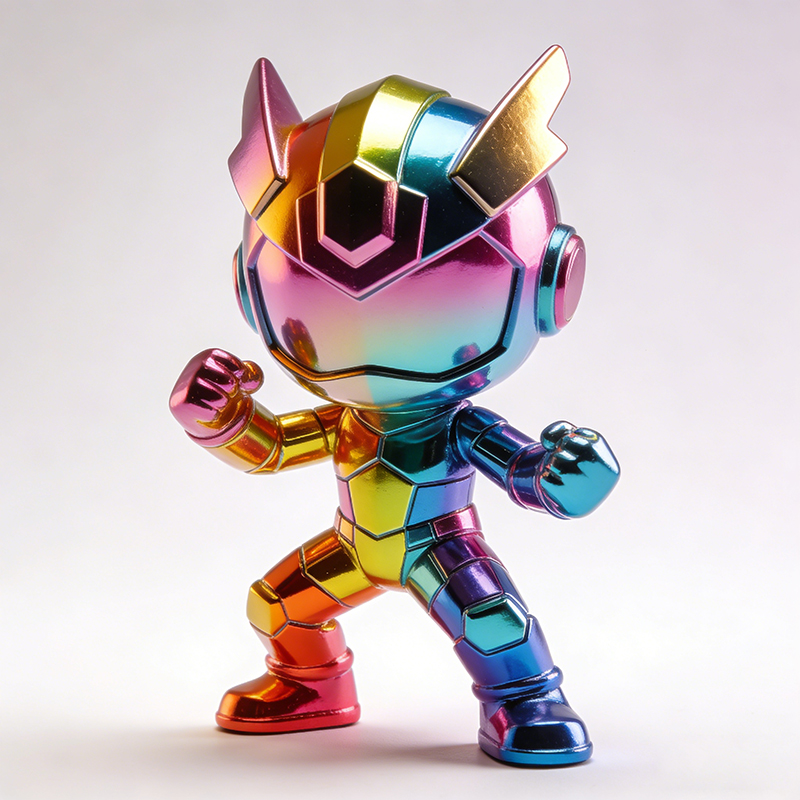
The latest industry report released by the China Toy & Juvenile Products Association shows that the Chinese children's toy market remains stable, while the trendy and collectible toy segment rises sharply...
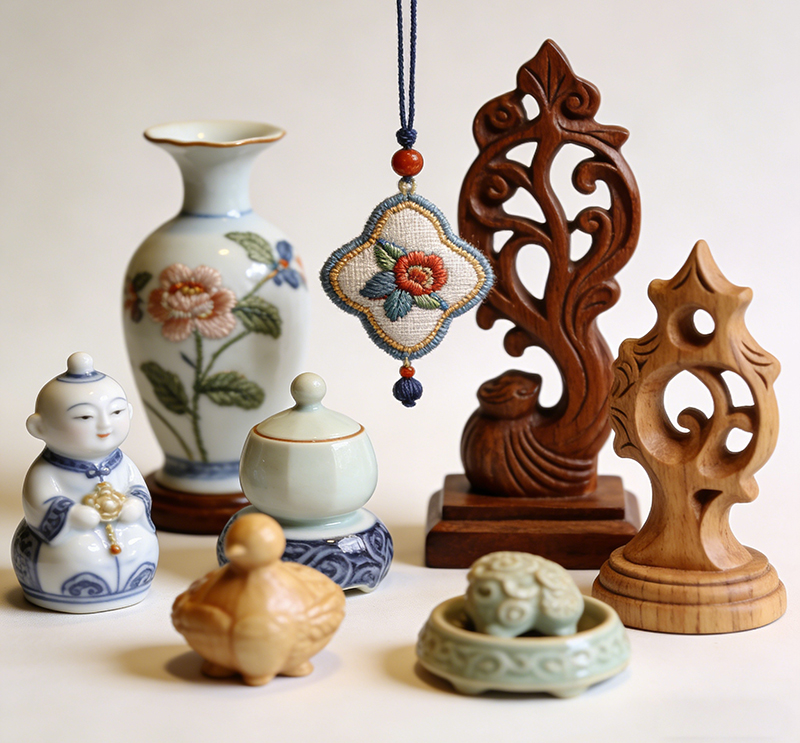
In the first two months of this year, Quanzhou, Fujian Province, saw stable growth across its major manufacturing sectors, with the arts and crafts sector standing out with a notable 9.7% growth rate...

According to Yiwu Customs, the city's total import and export value reached RMB 173.56 billion in the first two months of this year, a year-on-year increase of 52.8%. Exports totaled RMB 150 billion...
Essential intelligence for global sourcing directors seeking clarity on lead times, engineering standards, and quality protocols.
Generally, MOQs for golf club heads fall between 300 to 500 units per specification (loft/lie) for customized models. For complete club assemblies (including graphite/steel shafts and grips), MOQs can vary based on standard component configurations. Accessory items like custom headcovers and towels typically have lower MOQs, starting around 100 to 200 units.
During the CAD development phase, engineers run simulation models to estimate aerodynamic performance, volume, and weight distributions. Once prototypes are cast or forged, manufacturers perform in-house tests for face curvature, groove dimensions, and Characteristic Time (CT) using dedicated pendulum testers. Approved samples are then sent to the USGA or R&A for official list placement prior to retail manufacturing.
The creation of initial tooling molds requires approximately 30 to 45 days, depending on head complexity. Physical sample testing and revision loops require another 15 to 20 days. Once the pre-production sample is approved, mass production generally takes 45 to 60 days. In total, expect a cycle of 90 to 120 days from initial design to port delivery.
Premium forged irons typically utilize soft carbon steel alloys, such as 1020 or S20C (carbon content around 0.2%). These materials are selected because they provide a soft feel at impact and allow for adjustments to lie and loft angles without cracking. For game-improvement clubs, multi-piece constructions with 17-4 stainless steel bodies and high-strength steel faces are common.
Protecting IP is standard practice in our sourcing framework. We require all partner factories to sign bilateral Non-Disclosure Agreements (NDAs) and custom tooling protection contracts before any CAD files are shared. Tooling molds are physically stamped, cataloged, and designated exclusively for the purchasing client's use. These molds are never made available to the public or domestic markets.
Quality control protocols involve check processes at multiple stages: Coordinate Measuring Machine (CMM) dimensional checks, weight classification tests (+/- 1.5g tolerance checks), liquid penetrant testing to identify casting porosity, chrome plating adhesion tests, and shaft flex and torque profile measurements using specialized deflection boards.
Connect directly with our engineering specialists to obtain dynamic factory pricing, production plans, and material compliance quotes.
We help you manage factory audits, secure custom tooling rights, and coordinate quality inspections. Connect with us to initiate your manufacturing project.

Browse our additional industrial supply lines, catering to custom residential, retail, machinery, and specialty electronics projects.