High-demand manufacturing and supply chain integrations optimized for global distribution channels.
An authoritative guide on navigating manufacturing capacities, technological trends, material optimization, and compliance protocols in the Chinese bath mat production landscape.
The international bath mat and home textile industry is undergoing a seismic shift driven by material sciences, consumer preferences for hygiene, and strict regulatory standards. Global buyers—ranging from large-scale supermarket conglomerates and hotel procurement departments to private label e-commerce brands—face the critical task of balancing product quality, production cost, regulatory compliance, and supply chain predictability.
In the context of modern home textiles, a bath mat is no longer just a functional floor covering; it is a key element in safety, interior aesthetics, and sanitary control. Navigating the diverse ecosystem of manufacturers in China requires deep insights into local industrial clusters, raw material sourcing dynamics, backing technologies (such as TPR, PVC, and SBR), and eco-certifications. This white paper serves as a strategic manual to assist sourcing directors and product design managers in maximizing their ROI when collaborating with Chinese bath mat factories.
SEO Insight & Information Gain: While standard sourcing focuses purely on FOB pricing, leading procurement officers look at the "Total Cost of Ownership" (TCO) which factors in dimensional stability under heat, wash-resistance cycles, backing durability, and customized packaging optimization to lower ocean freight volume costs.
China represents over 60% of global home textile manufacturing capacity, supported by fully integrated supply chain ecosystems that enable swift prototyping, raw material sourcing, and efficient export shipping. Unlike fragmented industries where components must travel cross-border, Chinese bath mat manufacturers operate within massive industrial clusters, primarily located in Zhejiang, Jiangsu, and Fujian provinces.
These regions host dedicated ecosystems consisting of spinning mills, yarn-dyeing plants, backing extrusion facilities, and automated packaging factories. For instance, the proximity to chemical manufacturing hubs in Eastern China ensures that high-grade polymers used for anti-slip backing, such as Thermoplastic Rubber (TPR) and Styrene-Butadiene Rubber (SBR), can be sourced at minimal cost. This concentration reduces lead times from 60 days to 25-30 days for standardized large-volume orders and significantly lowers transportation emissions, helping brands meet their carbon reduction goals.
Product managers must align material choices with their target audience's demographic demands. The functional properties of bath mats differ dramatically across material classes:
Entering North American and European markets requires absolute compliance with national safety and environmental frameworks. Working with a verified supplier ensures that products do not get flagged at customs or trigger costly recalls.
Key certifications that global brands must demand from their manufacturing partners include OEKO-TEX Standard 100 (ensuring the absence of harmful levels of toxic substances like heavy metals and azo dyes), REACH compliance for European distribution, and California Proposition 65 declarations. Furthermore, for anti-slip performance, factories should provide test reports under standard ASTM testing methodologies, ensuring the static coefficient of friction (SCOF) meets safety guidelines for wet surfaces.
Understanding user intent and search intent means matching the aesthetic and practical needs of specific environments. Bath mats are engineered differently depending on the setting:
Residential Bathroom Environments: Homeowners look for machine-washable, highly durable, and colorful elements that integrate with modern interior themes. High-pile shag textures and trendy geometric prints dominate this space.
Commercial Hospitality Settings: Hotels, resorts, and gyms demand industrial grade durability. These mats must withstand continuous washing cycles at high temperatures without losing pile shape, backing grip, or structural integrity. Usually, heavy cotton terry mats or specialized quick-drying synthetic mats are preferred.
Elderly & Childcare Facilities: In these environments, safety is paramount. The slip-resistance level of the backing is the primary decision factor, requiring advanced suction-cup designs or continuous TPR textures to avoid trip hazards.
To mitigate volatility in shipping rates and raw material prices, global procurement directors should implement a structured factory evaluation matrix. The process begins with verify-at-source factory audits, looking at daily output capabilities, automated tufting machinery capacity, and water-treatment facilities to ensure environmental compliance.
Additionally, negotiating contract-based tooling fees for custom shapes and patterns can provide long-term product differentiation. Establishing clear AQL (Acceptable Quality Limit) standards prior to production prevents quality drift during high-volume manufacturing runs.
If you need reliable sourcing channels for Chinese products with competitive quality and pricing, or manufacturers to match your product templates, we help you bring products to market faster and start generating profits.

We help international clients source high-quality products across China with efficiency and transparency. Our team identifies reliable suppliers, compares pricing, evaluates product quality, and manages the entire purchasing process from inquiry to delivery. We ensure you get the right products at the best cost with zero hassle.

We connect overseas buyers with verified and trustworthy Chinese manufacturers based on your product requirements, production scale, and quality standards. Our service includes factory vetting, capability assessment, communication support, and onsite audits. We ensure you work with factories that perfectly match your needs.

We provide end-to-end OEM manufacturing services for clients looking to build private-label or custom-designed products in China. From product development and sample production to mass manufacturing and quality inspection, we coordinate every stage to ensure consistent quality and smooth production. Your ideas, our manufacturing network.
Our team is made up of experienced sourcing specialists, manufacturing consultants, and on-the-ground quality inspectors. With years of industry expertise and deep knowledge of China’s supply chain, we provide reliable support to international clients throughout the entire procurement and production process.





Whatever you wish to procure or produce, we'll find the most suitable supply chain for you.
Establishing stable procurement networks with factories and global standard suppliers.

Feedback from global supply chain directors who trust our verification and manufacturing audits.




Stay informed with operational guides, trade statistics, and market reports directly from our field specialists.
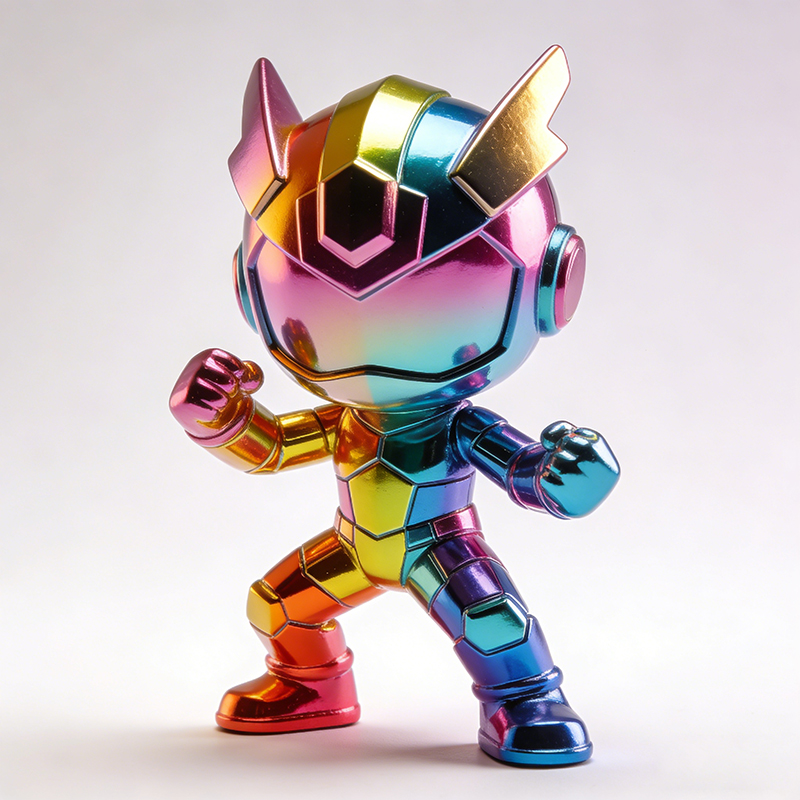
The latest industry report released by the China Toy & Juvenile Products Association shows that the Chinese children's toy market remains stable, while the trendy and collectible toy segment...

In the first two months of this year, Quanzhou, Fujian Province, saw stable growth across its nine major industries, with the arts and crafts sector standing out with a 9.7% growth rate—hig...
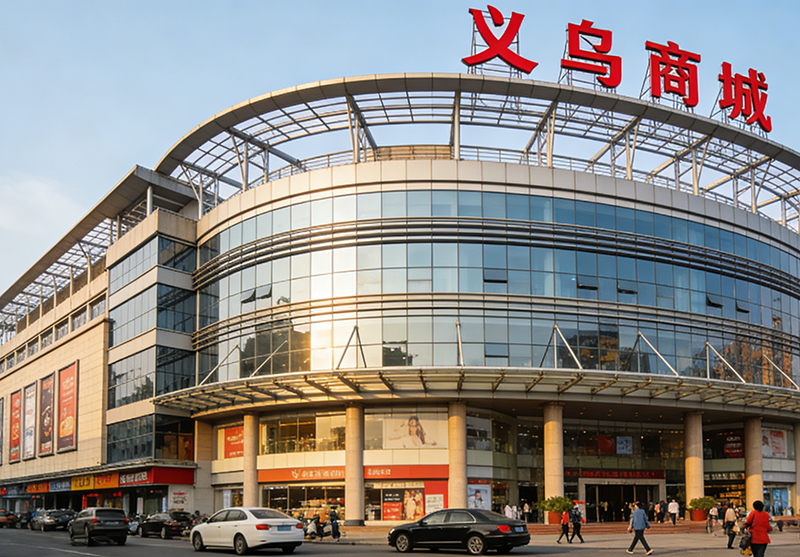
According to Yiwu Customs, the city's total import and export value reached RMB 173.56 billion in the first two months of this year, a year-on-year increase of 52.8%. Exports totaled RMB 15...
Get professional, transparent answers regarding manufacturing processes, minimum order quantities (MOQ), and shipping logistics.
For standard materials like microfiber polyester and chenille, the MOQ starts at 1,000 pieces per design/color. For high-end memory foam or custom injection-molded TPR bath mats, the MOQ ranges from 2,000 to 3,000 pieces due to dye-lot configuration and machine setup requirements.
We work with international inspection bodies (like SGS, TÜV, and Intertek) to run slip-resistance testing following ASTM F609 or ASTM F1679 standards. We ensure the backing materials (TPR, SBR, or hot melt adhesive) are formulated to withstand high humidity environments without crumbling.
Yes. Many of our partner factories offer GRS (Global Recycled Standard) certified recycled polyester yarn. Additionally, we source OEKO-TEX Standard 100 organic cotton and natural diatomaceous earth options that meet European and North American ecological standards.
We execute standard inspection routines under AQL 2.5 parameters. Our inspectors run checks on GSM density, size accuracy, stitching quality, backing adhesion, and package drops (ISTA 1A or 2A) to verify transport safety.
Access high-quality direct factory channels for diversified product portfolios across key vertical industries.
Contact our sourcing team today to request samples, factory audits, or discuss your private label requirements.