
Why Is Supplier Verification Important for Global Buyers?
A supplier’s website can look polished while its actual operations remain difficult to assess. For global buyers, Supplier Verification helps close that gap before a purchase order, sample, or production schedule is at risk. It checks whether a supplier’s identity, capabilities, and business details match the buyer’s requirements.
Quality expert Philip Crosby’s well-known principle was, “Quality is free.” His point supports a practical lesson: preventing problems can cost less than correcting them later. Verification may include reviewing business records, checking a factory’s address, confirming production capacity, and comparing product samples with specifications. A video call can show a busy assembly line, but it cannot prove every claim. That matters.
The process also helps buyers ask sharper questions. Can the supplier explain material sources, lead times, and inspection steps clearly? Do documents, sample labels, and quoted specifications tell the same story? These details are especially useful when teams work across time zones and cannot visit every facility.
Still, verification is not a guarantee. Records can become outdated, samples may differ from later production, and one inspection captures only a moment. Buyers should match checks to the order’s risk and keep reviewing supplier performance. That takes time. It can feel repetitive, and even careful teams may miss something. Recognizing those limits makes Supplier Verification more credible—and more useful for building dependable global sourcing relationships.
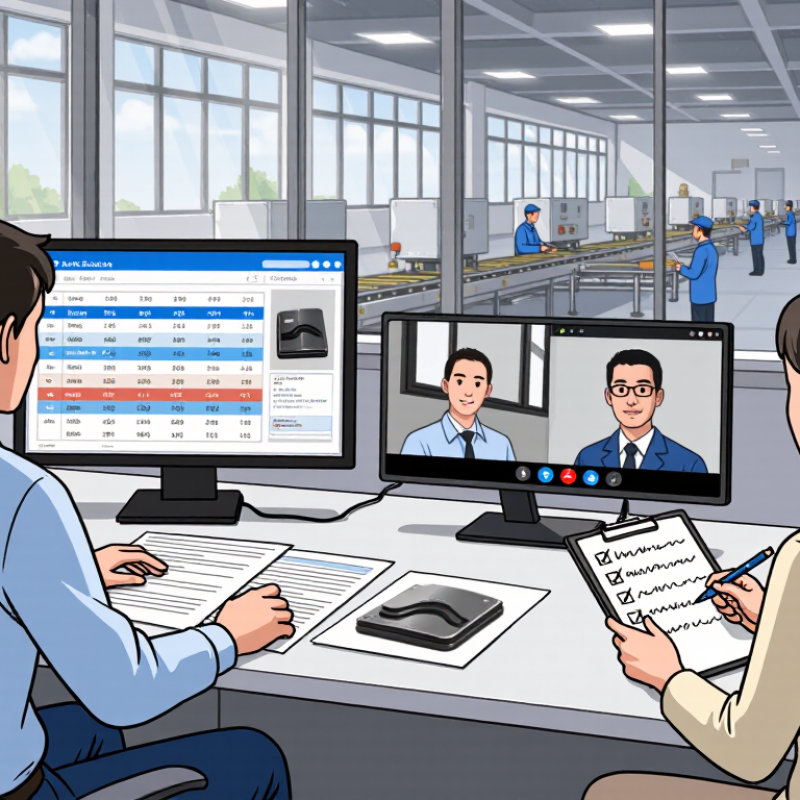
Supplier verification is the process of checking whether a prospective supplier is who it claims to be and can realistically deliver what it offers. For global buyers, that means looking beyond a polished website or a quick video call. The work may include confirming business details, the factory or office location, product scope, production capacity, and the people authorized to discuss orders. Small details matter. An address that leads to a shared office, for example, may need a clear explanation.
Verification also means comparing evidence from more than one source. Buyers can request current business documents, product specifications, quality records, sample photos, and references for similar orders. They should speak with an operational contact, not only a sales representative. A brief live walkthrough can show machinery, storage areas, packaging, and how finished goods are checked. It is not proof of everything. Documents can be outdated, and a carefully staged tour may miss the busy production line.
A sound review checks whether answers stay consistent over time. Compare quoted lead times with stated capacity, and check whether payment details match the verified business entity. Keep notes on unanswered questions, changes, and who supplied each record. That paper trail helps teams make decisions across time zones. No review is perfect. Verification cannot remove all uncertainty, but it can expose gaps early. Revisit the supplier when products, facilities, ownership, or order volumes change.
Cross-border sourcing adds more than shipping time. Buyers may work across time zones, languages, and business practices, making small inconsistencies harder to resolve. A factory address on an invoice may differ from the production site. A sales contact may not know which workshop handles a specific order. These details are not proof of a problem, but they deserve checking. Distance slows follow-up. Replies may arrive after a production decision is already due.
A delayed sample, unclear capacity figure, or missing quality record can become expensive once production starts. Buyers should confirm the supplier’s business identity, operating location, and role in the transaction. They can compare documents, request a live video walkthrough, and speak with production staff—not only sales representatives. For higher-risk orders, an independent site visit or pre-shipment inspection can reveal gaps that paperwork may miss. Still, no single check tells the whole story.
Verification is not a one-time checkbox. Recheck key details when the factory, payment account, product, or subcontracting arrangement changes. Keep records of approved samples, specifications, and corrective actions. A video call cannot confirm every process, and polished documents may leave out inconvenient facts. That is easy to overlook. Treat verification as ongoing evidence gathering, not a guarantee.
| Risk Area | Why Cross-Border Sourcing Increases Buyer Risk | What Supplier Verification Should Check | Practical Buyer Control |
|---|---|---|---|
| Legal identity and authority | Different jurisdictions have different company registries, business identifiers, and disclosure rules. A buyer may have limited recourse if the contracting entity is misidentified or lacks authority to sell the goods. | Confirm the legal entity name, registration status, registered address, business activities, and the identity and authority of the person signing the contract. | Compare registration records with the contract, invoices, payment instructions, and shipping documents. Resolve any differences before placing an order. |
| Factory capability and production capacity | A trading intermediary, subcontractor, or overstated facility can make it difficult to know who will actually manufacture the goods and whether production capacity matches the order. | Establish whether the supplier is a manufacturer or intermediary, identify production locations, and review relevant equipment, staffing, processes, and subcontracting arrangements. | Use a site assessment or qualified third-party audit where appropriate. Document approved production locations and require approval for material subcontracting changes. |
| Product quality and consistency | Distance, time-zone differences, language barriers, and longer shipping lead times can make it harder to inspect goods and correct defects before delivery. | Review quality-management processes, inspection records, product specifications, sample controls, and the supplier’s method for handling nonconforming products. | Agree on measurable specifications and acceptance criteria. Use pre-shipment inspection, retained samples, and a written process for corrective actions and claims. |
| Regulatory and product compliance | Product safety, labeling, chemical, and import requirements vary by destination market. A supplier’s documents may not cover the exact product, model, or applicable destination requirements. | Check that test reports, certificates, declarations, labels, and technical files apply to the specific product and relevant destination-market rules. | Verify documents with the issuing body where possible, confirm model and scope details, and obtain qualified regulatory advice for higher-risk products or markets. |
| Financial and payment exposure | Longer production and transit cycles can increase the time between payment and receipt. Differences in legal systems and recovery processes may make disputes or insolvency harder to manage. | Assess available indicators of financial stability, payment-account ownership, order capacity, and whether payment terms are consistent with the supplier relationship and order risk. | Validate changes to bank details independently using a known contact channel. Consider staged payments tied to documented milestones and avoid paying an unrelated third party without verification. |
| Sanctions, ownership, and trade restrictions | Cross-border transactions can involve multiple countries, intermediaries, banks, carriers, and beneficial owners. Restrictions may apply to parties, goods, destinations, or end uses. | Screen relevant parties and ownership information against applicable restrictions, and review product classification, destination, end use, and transaction route. | Repeat checks when parties, destinations, or transaction details change. Seek specialist trade-compliance advice when a potential match or restriction is identified. |
| Supply-chain transparency | Raw materials and components may come from several tiers of suppliers across different countries, making origin, traceability, and working-condition claims harder to confirm. | Map key production stages and material sources, review traceability records, and assess relevant labor, environmental, and responsible-sourcing controls. | Include disclosure and recordkeeping requirements in contracts. Prioritize deeper checks for higher-risk materials, locations, and production processes. |
| Logistics, documentation, and delivery | International shipments depend on coordinated export, transport, customs, and import documentation. Errors, delays, or unclear responsibilities can disrupt delivery and increase costs. | Confirm export experience, document-preparation processes, shipment tracking arrangements, and the supplier’s understanding of agreed delivery terms and responsibilities. | Specify delivery terms clearly in the contract, define document responsibilities, and review shipping documents before dispatch when practical. |
| Communication and dispute resolution | Language differences, time zones, unfamiliar legal procedures, and cross-border enforcement can slow clarification, corrective action, and dispute resolution. | Assess the supplier’s communication process, escalation contacts, recordkeeping practices, and willingness to agree to clear contractual terms. | Use written specifications and change approvals. Define governing law, dispute-resolution procedures, delivery obligations, remedies, and record retention in the contract. |
Supplier verification should go beyond a polished website or a quick video call. Confirm the supplier’s registered business name, operating address, ownership details, and years in operation. Ask for current certificates relevant to the product and check their scope, issuing body, and expiry date. A certificate may cover one facility, not every workshop used for your order. Small detail, big difference.
Then test whether the supplier can deliver consistently. Request recent quality inspection records, production schedules, equipment lists, and examples of how defects are handled. Compare stated capacity with the number of machines, shifts, and workers available. Ask for references from buyers with similar order volumes, and confirm them independently. If samples are available, inspect dimensions, finish, packaging, and labeling against written specifications. A sample is not proof of future consistency, though. It is one useful data point. Remote checks can also miss informal subcontracting or seasonal staffing changes, so revisit key details before production and keep expectations in writing. No checklist catches everything. That is worth remembering.
Which supplier credentials and capabilities should buyers verify?
The bars count practical evidence checks in a due-diligence checklist, not market statistics or supplier ratings. Verify legal identity and certificate scope with the relevant registries or issuing bodies; assess production capacity, quality records, responsible-sourcing evidence, and export readiness before placing an order.
Supplier verification helps global buyers test whether a supplier’s promises match its actual operations. A review can include production capacity, quality procedures, staff responsibilities, and records for incoming materials. Ask to see how defects are logged and corrected, not only whether a quality policy exists. A sample may look excellent while routine production varies. Check several units or batches when practical.
Compliance depends on clear, current records. Buyers can confirm that product specifications, test reports, and required declarations match the goods being ordered. Names, dates, and model details should be consistent. Small mismatches matter. For delivery planning, compare stated capacity with equipment, staffing, and recent production schedules. Clarify lead times, packaging, inspection points, and how delays are reported. These checks cannot guarantee a shipment will arrive on time; they help reveal weak planning before an order is at risk. Verification is also a snapshot, not a permanent verdict. Revisit key details when products, processes, or order volumes change. Some checks feel repetitive, and a document may still leave questions unanswered. A direct follow-up can expose gaps early.
Why Is Supplier Verification Important for Global Buyers?
How Global Buyers Can Verify Suppliers Step by Step
Start by matching the supplier’s registered business name, address, and contact details across its website, quotation, and official documents. Ask for current business records and confirm them through the relevant public registry where available. Names or addresses that do not match deserve a clear explanation. Next, request a live video tour of the production site. Look for practical details: machinery in use, labeled work areas, and staff who can explain the process. A polished presentation alone proves little.
Tips: Check references from recent buyers. Ask about delivery reliability, product consistency, and how problems were handled. Request a sample, then compare it with the written specifications. Keep emails, inspection notes, and agreed timelines in one file.
Before placing a large order, confirm who will receive payment and verify account changes through a separate, trusted contact method. Discuss quality checks, packaging, lead times, and acceptable remedies in writing. Where practical, arrange an independent inspection before shipment. Verification reduces uncertainty, but it cannot remove every risk. A video call may hide weak capacity, and a sample may not reflect a full production run. Recheck key details when an order changes; even careful buyers can overlook small inconsistencies.
It checks whether a supplier is genuine and can deliver the products offered. Buyers review business details, location, product scope, and production capacity.
Match the registered business name, address, and contact details across documents and quotations. A shared office address may need an explanation.
No. A live tour can show machinery, labeled work areas, storage, and packaging. It may still miss a busy production line.
Request a sample and compare it with written specifications. Keep sample photos and quality records. Samples can differ from full production.
Time zones and language differences can slow follow-up. A delayed reply may arrive after a production decision is due.
Speak with an operational or production contact, not only a sales representative. Ask who handles the order and where it will be made.
Confirm the payment recipient matches the verified business entity. Check account changes through a separate, trusted contact method. Small mismatches matter.
Recheck them when the factory, product, ownership, payment account, or subcontracting arrangement changes. Keep the records together.
No. Documents may be outdated, and polished tours can leave out inconvenient details. Even careful buyers can overlook something.
Supplier Verification is an essential step for global buyers because distance, different business practices, and limited access to a supplier’s operations can make cross-border sourcing more uncertain. It involves confirming that a supplier is a real, capable business and assessing whether its experience, production resources, quality processes, and communication practices match the buyer’s needs. Buyers should also review relevant business credentials and product documentation, and seek evidence that the supplier can meet agreed quality, compliance, and delivery requirements.
A practical verification process begins by defining sourcing needs and checking supplier information for consistency. Buyers can then evaluate facilities, production capacity, quality controls, references, and sample products, using direct discussions or independent inspections where appropriate. Clear written agreements, staged checks, and ongoing performance reviews help identify concerns early and reduce disruptions. By verifying suppliers before placing significant orders, global buyers can make more informed decisions, protect product standards, and build dependable long-term partnerships.
