
Why Is a Supplier Audit Important for Global Buyers?

Time:2026-09-18 Author:Liam
0%

Global buyers rarely see the factory floor, the incoming materials, or the final inspection line. That distance creates commercial risk. A Supplier Audit turns hidden processes into documented evidence, from batch records and calibration logs to worker training and corrective actions. It can reveal weak controls before defective goods reach a warehouse or customer.

Industry research supports this practical need. Deloitte’s 2023 Global Chief Procurement Officer Survey identifies supplier risk management and resilience as continuing procurement priorities. The World Economic Forum’s Global Risks Report 2024 also highlights supply-chain disruption as a serious business concern. These reports do not make audits a complete solution. They show why buyers need reliable visibility. An audit may miss problems between visits. That weakness matters.

W. Edwards Deming, a leading quality-management expert, said, “Quality comes not from inspection, but from the improvement of the production process.” His point remains highly relevant to Supplier Audit programs. A strong audit should not only record failures. It should test root causes, verify corrective actions, and encourage measurable process improvement. For example, an auditor might compare purchase orders with production records, inspect storage conditions, and interview line supervisors. Small details often expose larger weaknesses. A missing temperature log can threaten an entire shipment. A repeated training gap can signal poor management control.

Buyers should treat Supplier Audit as evidence, not comfort. The process becomes more trustworthy when auditors use clear criteria, independent verification, risk-based sampling, and follow-up reviews. Perfect assurance is unrealistic. Better decisions are achievable.
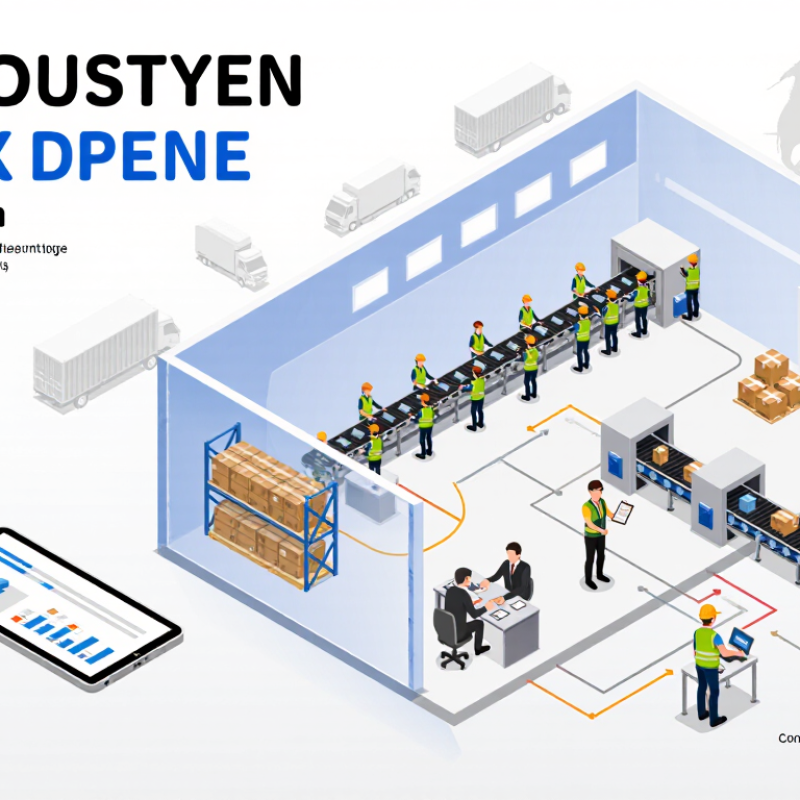
Why Is a Supplier Audit Important for Global Buyers?

What a Supplier Audit Is and What It Examines

Why Is a Supplier Audit Important for Global Buyers?

What a Supplier Audit Is and What It Examines

A supplier audit is a structured review of a factory’s people, processes, records, and production controls. For global buyers, it replaces assumptions with evidence. A factory tour alone is not enough. Auditors examine whether daily operations match written procedures and customer requirements.

The review usually begins with company documents, ownership details, certifications, and quality records. It then moves to production areas. Auditors inspect raw material storage, machine maintenance, line cleanliness, worker training, and inspection methods. They may check batch numbers, sample products, and follow one order through the factory. This reveals weak traceability or inconsistent controls.

Experienced auditors also interview production staff, not only managers. Their answers can expose gaps between policy and practice. They review defect reports, corrective actions, delivery records, and equipment calibration. Worker safety and responsible workplace practices also deserve attention. These details matter when production crosses borders.

No audit is perfect. A short visit can miss seasonal problems or rushed production. That is an uncomfortable limitation. Buyers should question unclear evidence and request dated records, photographs, or follow-up checks. A supplier with findings is not automatically unreliable. The response matters more. Clear ownership, practical deadlines, and verified improvements show whether the factory can manage quality over time.

Why Global Buyers Need Supplier Audits

Global buyers need supplier audits because distance can hide operational risks. A polished website cannot show a crowded loading bay, weak traceability, or exhausted equipment. An audit turns assumptions into documented evidence. During a practical visit, reviewers check production capacity, incoming materials, inspection records, worker training, and corrective actions. They also compare written procedures with floor-level behavior. That gap matters. A supplier may pass a questionnaire yet struggle with consistent output.

Audits help buyers judge whether a supplier can meet specifications repeatedly, not merely once. Inspectors can sample batch records, calibrate measurement tools, and interview responsible staff. Photographs, timestamps, and signed findings make follow-up more reliable. For overseas purchases, this evidence supports clearer decisions about quality, delivery, communication, and contingency planning. It also creates a shared language across time zones and cultures. Professional auditors should use risk-based checklists and explain the limits of their conclusions.

No audit is perfect. A short visit can miss seasonal pressure, staff turnover, or problems hidden between production runs. Buyers should combine site audits with sample testing, document reviews, and post-delivery performance data. I have found that the most useful reports identify owners, deadlines, and measurable verification steps. They do not simply assign pass or fail. An honest finding may delay a purchase, but it can prevent costly surprises later.

How Supplier Audits Identify Operational and Compliance Risks

Supplier audits give global buyers a clearer view of how a factory actually operates. A polished presentation can hide weak controls, outdated equipment, or unclear responsibilities. An experienced auditor checks production areas, storage rooms, maintenance logs, training records, and emergency procedures. The details matter.

Operational risks often appear in small gaps. A missing calibration record may affect product consistency. Poor stock rotation can create damaged or expired materials. Interviews with workers may reveal production pressures that documents do not show. Auditors also review capacity, subcontracting practices, quality checks, and traceability from incoming materials to finished goods. These observations help buyers judge whether a supplier can meet requirements consistently, not only during a scheduled visit.

Compliance risks require careful evidence. Auditors compare permits, labor records, safety controls, environmental practices, and internal policies against applicable requirements. They should sample records, verify signatures, and speak with different employees. One clean file proves little. No audit is perfect. It is a limited snapshot, and some findings may be missed through poor sampling or rushed interviews. Buyers should treat audit results as risk information, not a permanent guarantee. Corrective action plans need owners, deadlines, supporting evidence, and follow-up checks. A supplier that accepts difficult findings may be more reliable than one offering flawless paperwork. That deserves attention.

Why Is a Supplier Audit Important for Global Buyers? - How Supplier Audits Identify Operational and Compliance Risks
A supplier audit provides objective evidence about whether a manufacturing partner can consistently meet contractual, operational, ethical, environmental, and regulatory requirements before risks affect delivery, product quality, or market access.
Audit Dimension Key Evidence to Review Typical Risk Indicators Potential Buyer Impact Risk Priority Recommended Corrective Action
Production Capacity and Planning Production schedules, capacity calculations, machine utilization records, workforce plans, and order backlog reports. Capacity claims are unsupported, production is heavily dependent on overtime, or critical equipment has no backup plan. Late deliveries, unstable lead times, expedited freight costs, and inability to support demand increases. High Require a verified capacity plan, realistic production milestones, preventive maintenance, and documented contingency arrangements.
Quality Management Inspection procedures, control plans, defect records, calibration certificates, customer complaints, and corrective-action reports. Inspection results are incomplete, measuring equipment is overdue for calibration, or recurring defects are closed without root-cause analysis. Product recalls, rework, warranty claims, inconsistent specifications, and increased incoming inspection costs. High Implement traceable inspection records, calibrated equipment, root-cause analysis, effectiveness checks, and defined acceptance criteria.
Supply Chain Traceability Approved supplier lists, purchase orders, lot records, material certificates, batch codes, and subcontractor disclosures. Materials cannot be traced to source, unauthorized subcontractors are used, or records do not match physical inventory. Difficulty isolating affected products, weak recall response, counterfeit or substituted materials, and compliance exposure. High Use documented chain-of-custody controls, lot-level traceability, subcontractor approval, and periodic reconciliation of records.
Labor and Human Rights Worker contracts, age-verification records, working-hour logs, payroll records, grievance procedures, and health and safety training records. Excessive working hours, missing employment documentation, restricted worker grievance channels, or unsafe workplace conditions. Legal penalties, shipment disruption, contract termination, reputational damage, and loss of customer or investor confidence. High Correct unlawful practices, maintain complete personnel records, provide safe reporting channels, and verify corrective actions through follow-up audits.
Environmental Compliance Environmental permits, waste transfer records, chemical inventories, emissions monitoring, spill response plans, and wastewater test results. Expired permits, uncontrolled hazardous waste, missing monitoring data, or chemicals stored without adequate labeling and containment. Regulatory enforcement, production suspension, environmental cleanup costs, and restrictions on market access. High Maintain permit registers, segregate and document waste streams, control chemicals, monitor emissions, and conduct emergency-response drills.
Business Continuity and Resilience Business continuity plans, disaster recovery procedures, backup utilities, emergency contacts, insurance records, and supplier dependency analysis. Single-source dependency, no tested recovery plan, insufficient backup power, or critical processes concentrated at one location. Extended production interruption, missed delivery commitments, inventory shortages, and increased supply-chain volatility. Medium Identify critical processes, test recovery plans, qualify alternative sources, and set recovery-time and recovery-point objectives.
Information Security and Data Protection Access-control policies, user-permission reviews, backup logs, incident registers, cybersecurity training, and data-retention procedures. Shared accounts, excessive system privileges, untested backups, unreported incidents, or uncontrolled transfer of buyer data. Design or specification leakage, order disruption, privacy violations, financial losses, and contractual liability. High Apply least-privilege access, multifactor authentication where appropriate, tested backups, incident reporting, and controlled data sharing.
Ethics and Anti-Bribery Controls Code of conduct, conflict-of-interest declarations, gifts and hospitality records, whistleblowing channels, and employee training logs. Undisclosed conflicts, unexplained payments, weak approval controls, or retaliation concerns involving reported misconduct. Fines, contract loss, procurement restrictions, investigations, and damage to the buyer’s compliance standing. High Strengthen approval workflows, protect whistleblowers, train relevant personnel, investigate allegations, and retain auditable records.
Financial and Commercial Stability Audited financial information where available, payment history, insurance coverage, ownership disclosures, and concentration-of-customer data. Persistent cash-flow pressure, overdue obligations, unexplained ownership changes, or excessive dependence on one customer. Capacity reduction, unexpected closure, production interruption, or difficulty recovering advance payments and tooling. Medium Use financial-risk monitoring, staged payments, tooling ownership clauses, dual sourcing, and documented escalation triggers.
Corrective-Action Effectiveness Previous audit reports, corrective-action plans, root-cause analyses, closure evidence, and follow-up verification records. Repeated findings, overdue actions, generic explanations, or corrective measures that address symptoms rather than causes. Recurring failures, unreliable supplier improvement, higher audit costs, and continued exposure to operational or compliance risks. Medium Assign accountable owners, set measurable deadlines, verify implementation at the workplace, and escalate repeated nonconformities.
Practical audit principle: Findings should be evaluated using objective evidence, risk severity, legal requirements, contractual obligations, and the supplier’s ability to demonstrate sustained improvement. High-priority findings generally require documented corrective action and verification before unrestricted sourcing.

The Main Stages of Planning and Conducting an Audit

Why Is a Supplier Audit Important for Global Buyers?

The Main Stages of Planning and Conducting an Audit

A supplier audit begins with a clear purpose. Define the product scope, production site, key processes, and buyer requirements. Review previous performance records, certifications, complaints, and delivery data. This risk review helps determine audit depth and timing. Choose auditors with relevant technical experience and independence. Share an agenda before arrival, including requested documents and interview areas. A rushed plan often creates weak evidence.

During the audit, hold an opening meeting with site managers. Confirm the schedule, safety arrangements, and communication rules. Review procedures, training records, inspection logs, and traceability documents. Walk through receiving, production, testing, storage, and final release areas. Ask workers to explain their tasks, not only managers. Compare written procedures with actual behavior. Record objective evidence, including dates, batch references, photographs, and document codes. Audits are not perfect. An overlooked shift or quiet process can change the findings.

Tips: Keep questions specific. Sample several records. Note both strengths and gaps. Avoid promising results before evidence is reviewed. At the closing meeting, explain each finding clearly and link it to evidence. Agree on corrective actions, responsible owners, deadlines, and verification methods. Issue a factual report soon after the visit. Follow-up should test whether actions worked, rather than simply checking whether forms were signed. A second review may reveal that the original action addressed symptoms, not the cause.

How Buyers Use Audit Findings to Improve Supplier Performance

For global buyers, a supplier audit is not merely a compliance checkpoint. It offers a practical view of how work happens beyond spreadsheets. During a production review, an auditor may find unlabeled material bins beside a busy cutting line. The issue looks minor, yet it can cause mix-ups, rework, and shipment delays. Audit evidence gives buyers a clear starting point for improvement. Small details matter.

Buyers should convert each finding into an owner, deadline, and measurable action. A missing calibration record may require equipment checks, staff training, and a monthly verification log. A high defect rate calls for sample testing, root-cause analysis, and a controlled trial before full production. Photos, revised procedures, and inspection data help confirm whether corrective action works. Regular calls or site visits keep discussions practical when language or time zones create friction.

Strong buyers rank findings by risk, not convenience. A blocked emergency exit deserves faster attention than a late filing update. They compare audit results with defect reports, delivery records, and worker feedback. This creates a more reliable performance picture. Still, audits are not perfect. A quiet inspection day can hide normal production pressure. Buyers should revisit weak areas during peak output and question their own assumptions. Improvement is often uneven. One supplier may close paperwork quickly but struggle to sustain shop-floor discipline. That gap requires evidence, patience, and another check.

Why Is a Supplier Audit Important for Global Buyers?

Audits help buyers verify whether suppliers have effective systems for quality, environmental management, worker safety, food safety, and information security. Audit findings show where corrective actions can reduce operational and compliance risks.

Global management-system certificates reported in the ISO Survey 2023. Buyers can use supplier audit findings to compare control maturity, prioritize corrective actions, and monitor improvement in high-risk areas.

Prioritize risk

Focus resources on suppliers with weaknesses in quality, safety, environmental, or data controls.

Drive corrective action

Convert findings into owners, deadlines, root-cause analysis, and documented evidence of closure.

Measure improvement

Repeat audits and performance indicators help buyers confirm that corrective actions remain effective.

Source: ISO Survey of Management System Standard Certifications, 2023.

FAQS

What is a supplier audit?

A supplier audit is a structured review of factory people, processes, records, and production controls. It replaces assumptions with evidence. A factory tour alone is not enough.

Why do global buyers need supplier audits?

Audits show how a factory operates during normal work. They can reveal weak training, unclear responsibilities, poor traceability, or outdated equipment. A polished presentation may hide problems.

What areas does a supplier audit examine?

Auditors may inspect raw material storage, production lines, testing areas, and finished-goods storage. They review maintenance logs, training records, quality checks, and calibration documents. Small gaps matter.

How do audits identify operational risks?

Auditors compare written procedures with actual factory behavior. They may follow one order from incoming materials to final release. Missing batch numbers or poor stock rotation can expose serious control weaknesses.

Do auditors interview factory workers?

Yes. Workers can explain real tasks more clearly than managers. Their answers may reveal production pressure, unclear instructions, or differences between policy and practice. Documents do not tell everything.

What evidence should auditors collect?

Useful evidence includes dated records, batch references, photographs, document codes, and interview notes. Auditors should sample several records, not just one clean file. One example proves little.

How should a buyer prepare for a supplier audit?

Define the product scope, production site, key processes, and buyer requirements. Review complaints, delivery records, certifications, and previous findings. Share an agenda and requested documents before arrival.

What should happen after an audit finds problems?

Each finding should have an owner, deadline, corrective action, and verification method. Follow-up should test whether the action worked. A signed form may not fix the cause.

Can a supplier audit guarantee future quality?

No. An audit is a limited snapshot. Seasonal issues, rushed production, or an overlooked shift may change the findings. Buyers should combine audits with ongoing records and follow-up checks.

Conclusion

A Supplier Audit is a structured review of a supplier’s operations, quality systems, production capacity, documentation, workplace practices, and compliance procedures. For global buyers, it provides a clear understanding of whether a supplier can consistently meet agreed requirements across quality, delivery, cost, traceability, and business continuity. By examining facilities, processes, records, and management controls, an audit can reveal operational weaknesses such as inadequate inspection, poor inventory control, limited production planning, or insufficient staff training.

A successful audit begins with defining objectives, evaluation criteria, scope, and required evidence, followed by document review, on-site or remote assessment, interviews, process observation, and reporting. The findings help buyers distinguish critical risks from minor improvement opportunities and make informed sourcing decisions. Instead of treating an audit as a one-time inspection, buyers can use the results to create corrective action plans, set measurable deadlines, monitor progress, and support continuous supplier improvement. This approach strengthens cooperation, reduces unexpected disruptions, and builds a more reliable global supply network.

Liam

Liam

Liam is a dedicated marketing professional with a profound expertise in the industry, where he excels at highlighting the unique advantages of our core products. With a keen understanding of market trends and consumer needs, Liam frequently updates our company’s professional blog, providing......