
Vendor Sourcing is the process of finding, assessing, and selecting suppliers that can meet a business’s needs. Those needs may include product quality, price, delivery times, service, and supply reliability. It is more than collecting quotes. A sourcing decision can affect production schedules, customer experience, and day-to-day costs.
The work often starts with a clear request. A café, for example, might need compostable takeaway cups in specific sizes, with dependable weekly deliveries. The team defines its requirements, searches for potential vendors, and requests details such as pricing, samples, and lead times. It then compares responses against consistent criteria. A low quote may look appealing, but unclear specifications or slow delivery can create problems later.
Checks matter. Businesses may review references, product samples, certifications where relevant, and a vendor’s ability to meet expected volumes. They can then discuss terms, document responsibilities, and monitor performance after choosing a supplier. Records help explain why one option was selected and make future reviews easier.
No checklist guarantees a perfect match. A supplier that performs well during a trial may struggle when demand changes. That judgment can be wrong. Teams should revisit assumptions, track issues such as late shipments, and keep communication open. A careful Vendor Sourcing process helps businesses make informed choices, while leaving room to adjust when real-world performance differs from expectations.
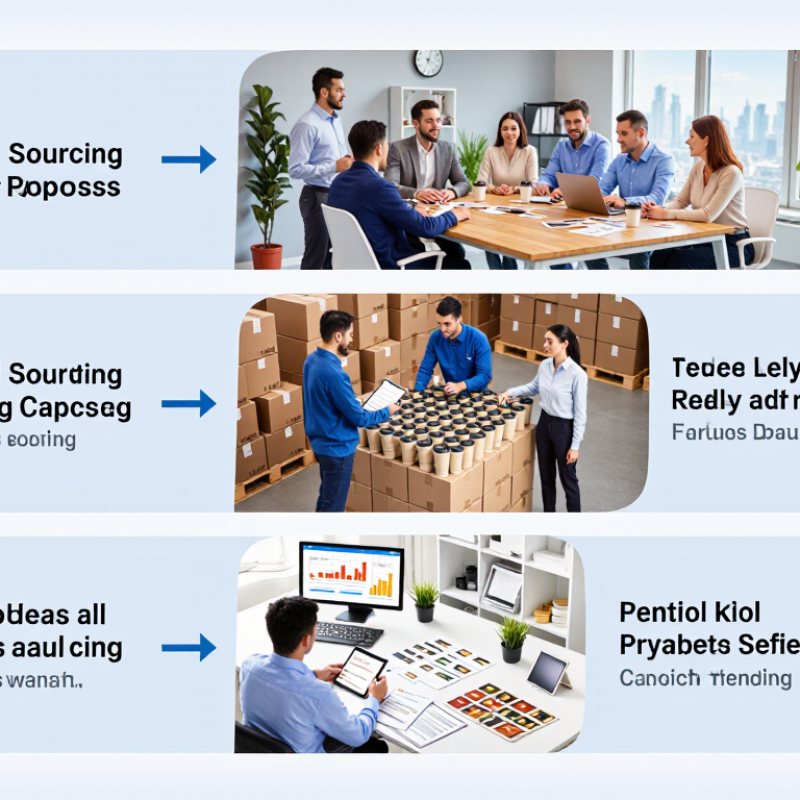
Vendor sourcing is the process of finding, assessing, and selecting outside businesses to provide goods or services. It may involve checking supplier capabilities, comparing quotes, reviewing delivery records, and discussing payment terms. For example, a facilities team might seek a supplier for cleaning materials, then compare sample quality, delivery schedules, and reorder options. The aim is not simply to find the lowest price. A dependable fit matters.
Organizations use sourcing to manage costs, reduce supply interruptions, and match suppliers to specific needs. Clear criteria help teams make consistent choices instead of relying on a familiar contact or a persuasive sales pitch. They can also reveal risks, such as a supplier’s limited production capacity or a long shipping route. That matters.
Still, sourcing plans are only as good as their assumptions. A spreadsheet may show a cheaper option, while overlooking the time staff spend resolving late deliveries. Needs can also change after a supplier is chosen. Teams should document why they selected a vendor and revisit performance using practical measures, such as on-time delivery and defect rates. The process can be imperfect. Honest records make it easier to notice where judgment, not just data, shaped the decision.
Businesses define sourcing requirements by turning an internal need into details a supplier can actually respond to. Start with the item or service, its intended use, and the quantity needed. Add practical specifications: dimensions, materials, performance targets, packaging, and delivery location. For example, a request for 500 storage bins should state their size, load capacity, and required arrival date. “Good quality” is not enough.
Teams also set commercial and operational boundaries. These may include a target budget, order frequency, sample approval, production lead time, and support expectations. Identify which requirements are essential and which can be negotiated. A sourcing brief should also record how proposals will be compared, such as total cost, reliability, capacity, and communication. Keep the criteria consistent across suppliers. That matters.
Requirements are rarely perfect on the first draft. A forecast is still a guess, and an overly specific specification can rule out workable options. Ask people who will use or receive the purchase to review the details; warehouse staff may spot packaging problems that planners miss. Then check whether the timeline matches the real approval process. Teams sometimes promise dates before confirming internal sign-offs. That is worth challenging. Revisit requirements when demand, budgets, or operating conditions change, and record why important decisions were made.
Vendor sourcing starts with a clear description of the need, not a list of familiar suppliers. A procurement team might specify delivery windows, quality tolerances, service capacity, and budget limits. It then identifies candidates through market research, referrals, industry directories, and existing supplier records. The goal is a credible shortlist, not the longest one. McKinsey’s 2020 survey of supply-chain executives found that 93% planned to make their supply chains more resilient. That finding makes backup capacity and geographic exposure useful screening questions, alongside price.
Evaluation works best against the same criteria for every candidate. Teams can review financial stability, production capacity, delivery history, security practices, references, and documented quality controls. Requesting sample products or a small trial can reveal problems that polished presentations conceal. Deloitte’s 2023 Global Chief Procurement Officer Survey reported that 71% of procurement leaders planned to increase digital investment, underscoring the growing role of data in supplier evaluation. A scorecard can compare quotes, delivery performance, and risk evidence, but it cannot replace careful reference checks. Evidence matters. A low quote may hide longer lead times or costly service gaps. Even a detailed scorecard can miss an important warning sign, so evaluators should record assumptions and revisit them before awarding work.
| Sourcing Stage | Purpose and Typical Activities | Evaluation Dimensions | Evidence to Review | Typical Output or Decision |
|---|---|---|---|---|
| Define the requirement | Describe the product or service, expected volumes, delivery locations, service levels, budget constraints, and required start date. | Business fit; mandatory technical or service requirements; risk tolerance; total cost considerations. | Approved specification, demand forecast, service-level requirements, and stakeholder input. | A documented scope and clear pass-or-fail requirements for potential vendors. |
| Identify potential vendors | Search suitable markets using industry directories, professional networks, referrals, trade events, and prior procurement records. | Relevant capabilities; operating locations; capacity; experience with comparable requirements. | Public capability information, product or service descriptions, references, and initial vendor responses. | A longlist of vendors that appear capable of meeting the basic requirement. |
| Conduct preliminary screening | Confirm that each candidate meets essential requirements before investing time in a detailed assessment. | Mandatory specifications; availability; delivery coverage; basic financial and compliance eligibility. | Prequalification questionnaire, certifications where relevant, company documentation, and initial capacity information. | A shortlist of candidates that pass the stated minimum requirements. |
| Request and compare proposals | Issue a consistent request for information, quotation, or proposal so candidates respond to the same scope and assumptions. | Technical or service fit; pricing structure; implementation approach; delivery schedule; support arrangements. | Completed proposal, itemized quotation, proposed schedule, assumptions, and responses to the evaluation criteria. | A comparable proposal set and a documented initial ranking. |
| Verify capability and risk | Validate important claims and examine risks that could affect continuity, quality, security, or compliance. | Financial stability; quality controls; information security; regulatory compliance; business continuity; subcontractor dependencies. | Financial information, audit or certification records where applicable, security questionnaires, site assessments, and customer references. | A risk assessment identifying acceptable risks, required mitigations, or reasons to exclude a candidate. |
| Score and select | Evaluate shortlisted vendors against pre-agreed criteria, using consistent scoring and documented evidence. | Weighted criteria such as capability, total cost, quality, delivery, service, and risk. Weights should reflect the purchase priorities. | Scoring matrix, evaluator notes, clarification responses, and comparison of total cost over the relevant period. | A selection recommendation supported by scores, trade-offs, and approval from the appropriate decision-makers. |
| Negotiate and contract | Agree commercial and operational terms before work begins, including responsibilities and remedies for missed obligations. | Price and payment terms; scope; service levels; delivery and acceptance; warranties; liability; termination; data and confidentiality terms. | Negotiation record, final statement of work or purchase terms, and required legal or compliance approvals. | An executed agreement with measurable obligations and clearly assigned responsibilities. |
| Monitor performance | Review performance after award and address issues through regular supplier management. | On-time delivery; defect or service-incident rates; responsiveness; cost changes; compliance with agreed requirements. | Delivery records, service reports, quality data, issue logs, and periodic review notes. | Corrective actions, renewal or improvement decisions, and updated sourcing information for future purchases. |
Note: The evaluation criteria should be tailored to the purchase. Mandatory requirements are commonly treated as pass-or-fail checks, while scored criteria can be weighted to reflect business priorities.
Vendor sourcing starts with a defined need, not a list of popular suppliers. Teams describe the required outcome, budget range, timeline, and must-have capabilities. They then identify potential vendors through referrals, directories, or industry research. A short request for information can reveal which suppliers meet basic requirements.
To compare options fairly, use the same criteria for each proposal. Check relevant experience, delivery capacity, support arrangements, security practices, and total cost—not just the quoted price. A product demonstration or reference call can clarify how the service works in practice. Still, polished presentations can distract teams from weak evidence. That is worth questioning. Once a preferred vendor emerges, agree on scope, milestones, acceptance criteria, payment timing, change requests, and support expectations. Record who owns each task. Discuss renewal and exit arrangements before signing, too.
Tips: Bring real examples to vendor discussions, such as expected monthly volumes or a sample workflow. Ask vendors to explain assumptions behind their estimates. Compare answers side by side, and revisit unclear points; teams sometimes move too quickly when a proposal feels familiar.
Vendor sourcing does not end when a contract is signed. The relationship needs a steady rhythm: monthly check-ins, named contacts, and shared measures for delivery, quality, and response time. A late shipment should prompt a dated recovery plan, not a vague promise. Small signals matter. Record decisions and open issues, then review patterns quarterly instead of reacting to one difficult week.
Use a consistent scorecard, but leave room for context. Deloitte’s 2023 Global CPO Survey gathered responses from 350 chief procurement officers. McKinsey’s 2020 supply-chain survey found that 93% of leaders planned to increase resilience. These findings make recurring risk reviews worthwhile: check capacity, reliance on a single source, and changes in subcontractors. Keep conversations candid. A supplier that flags a production constraint early may be more dependable than one with perfect scores and late surprises. Scorecards can still miss nuance; smaller suppliers may need clearer forecasts before performance is judged. Revisit targets when demand shifts, and agree on corrective actions with owners and dates.
Vendor sourcing means finding, assessing, and selecting outside suppliers. Teams compare quality, delivery, costs, and service. Price is only part.
It can help control costs, reduce supply interruptions, and match suppliers to specific needs. A backup supplier may help when deliveries slip.
State the item or service, intended use, quantity, specifications, budget, and delivery location. For 500 storage bins, include size and load capacity. “Good quality” is too vague.
They can use market research, referrals, directories, and existing supplier records. A short, credible list is usually easier to assess than a long one.
Use the same criteria for every candidate, such as total cost, capacity, delivery history, and quality controls. Keep assumptions visible. A scorecard is not enough by itself.
Samples can reveal defects or packaging issues that a polished presentation may hide. A trial can also test delivery timing and communication.
Review production capacity, financial stability, delivery routes, and service gaps. A low quote may come with a long lead time. That can be missed.
Records explain why a supplier was selected and help teams review delivery and defect rates. They can also show where judgment shaped the choice.
Revisit them when demand, budgets, or operating conditions change. Ask warehouse staff to check practical details. Forecasts are still guesses, and teams may overlook things.
Vendor Sourcing is the process organizations use to find, assess, and work with suppliers that can meet their business needs. It begins by defining clear requirements, such as the goods or services needed, expected quality, budget, delivery timelines, and relevant performance standards. These requirements help teams focus their search and compare potential vendors consistently.
Organizations then identify suitable candidates and evaluate factors such as capability, reliability, cost, and communication. After selecting a vendor, they agree on practical terms, responsibilities, and expectations. The work does not end with the agreement: businesses monitor performance, address issues, and maintain regular communication over time. A thoughtful sourcing process can help organizations make informed choices, manage costs, reduce supply risks, and build productive vendor relationships that continue to support their goals.
